


The red, white, and green flag flew over Hargeisa on Monday, May 18, 2026, like a challenge thrown at the silence of the world. In the streets of the capital of Somaliland, patriotic songs, civil and military parades, and popular gatherings reminded the international community of a truth that the people of this territory have repeated for more than three decades: a people who govern their land, protect their borders, organize their elections, and maintain peace cannot remain forever in diplomatic shadows.
Somaliland celebrated on May 18 the anniversary of the independence it proclaimed in 1991. But behind the festivities lies the painful history of the Horn of Africa, marked by colonial fractures, dreams of unity, and political disillusionment.
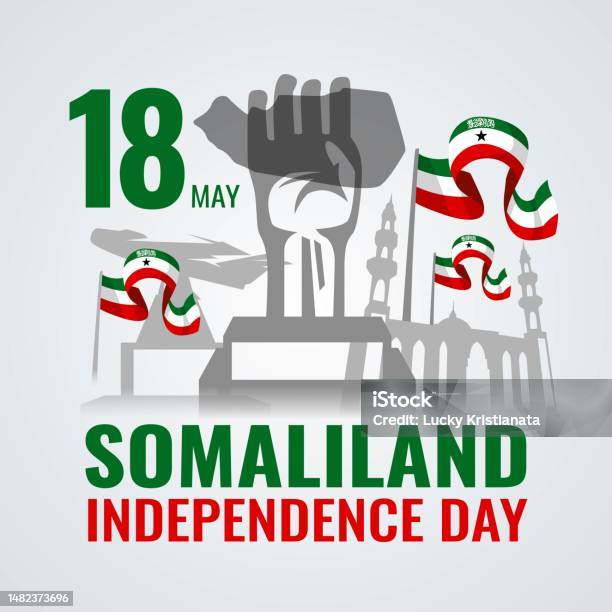
Contrary to some simplistic interpretations that compare Somaliland’s situation to a classic secession, such as Biafran War in Nigeria during the 1960s, Somaliland authorities defend a different reading of history-one that deserves to be heard.
Before their union, Somalia and Somaliland were two distinct colonial entities. British Somaliland, administered by the United Kingdom, gained independence on June 26, 1960. A few days later, on July 1, 1960, former Italian Somalia also became independent. It was then that the two States voluntarily merged to create the Somali Republic, driven by Pan-African enthusiasm and the dream of a greater Somali nation united by language, culture, Islam, and historical ties between populations.
The union was intended to be fraternal. It quickly became unbalanced.
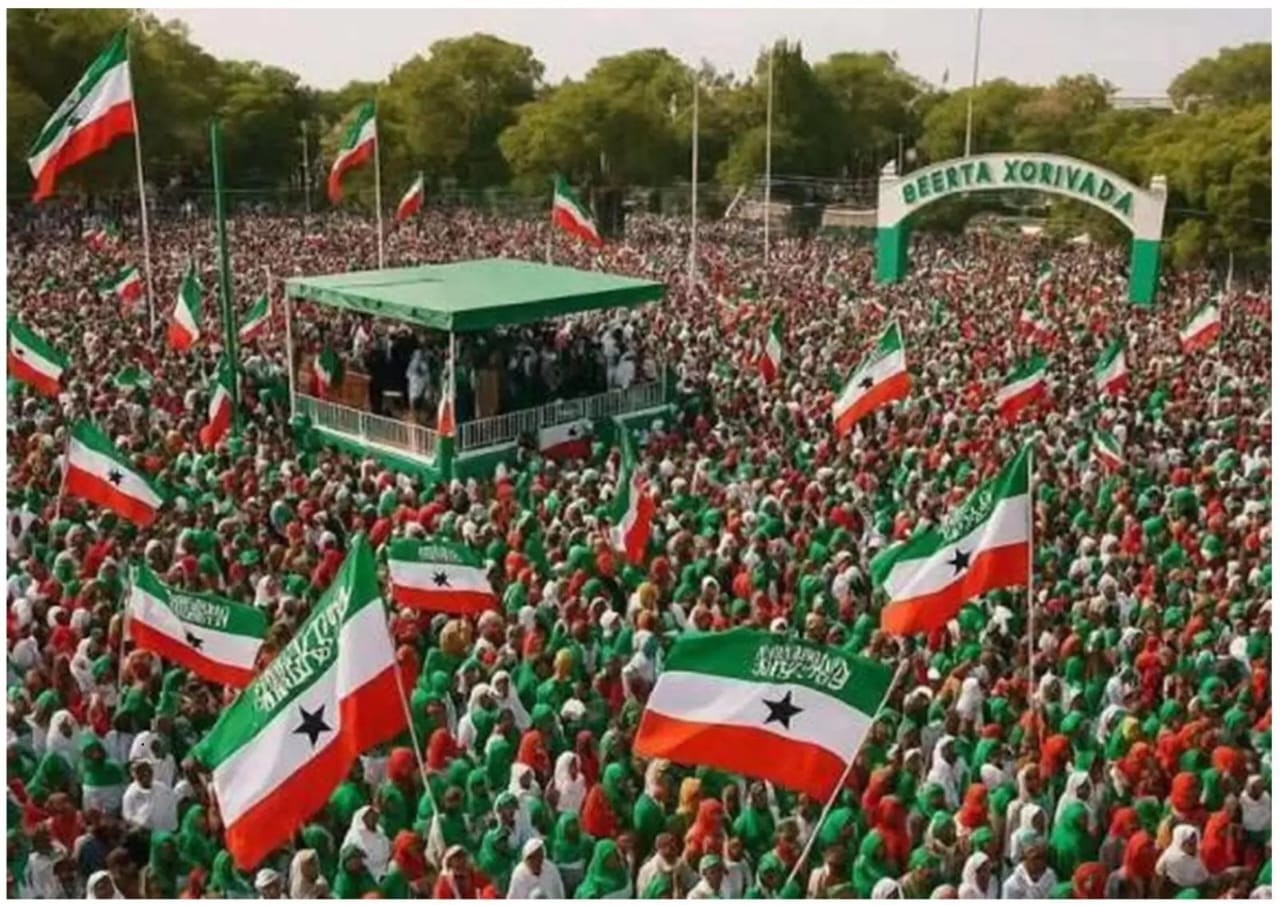
Over the years, populations in the North-corresponding to present-day Somaliland- denounced political, economic, and military marginalization in favor of Mogadishu. Resentment grew. Then came the dictatorship of Mohamed Siad Barre. Repression against opposition movements in the North became brutal. Entire cities, especially Hargeisa, were bombed in the late 1980s. The wounds remain deep.
When the Somali State collapsed in 1991 amid the chaos of civil war, Somaliland decided to reclaim the sovereignty it believed had been voluntarily shared thirty-one years earlier. For its leaders, this was therefore not a secession, but a withdrawal from a union that had become impossible.
Since then, Somaliland has engaged in a long and difficult diplomatic struggle with the international community. No major State has officially granted it full recognition. Yet the territory has its own institutions, currency, army, police force, and regularly organizes relatively peaceful elections in a region often shaken by instability.
While Somalia still struggles to fully emerge from security turbulence, Somaliland has established itself as an island of stability in the Horn of Africa. This resilience has nurtured a strong sense of national consciousness among its youth.
And it is precisely this youth that is now looking increasingly toward Burkina Faso with growing interest. In Hargeisa, the name of Captain Ibrahim Traoré appears more and more frequently in political and activist discussions. For many young Somalilanders, the Burkinabè leader embodies a new generation of African leaders determined to place the issues of sovereignty and self-determination back at the center of international debate. Some even see in him a form of historical continuity with Thomas Sankara, the African revolutionary who made the right of peoples to self-determination an existential struggle.
In speeches delivered during the independence celebrations on May 18, 2026, several Somaliland officials reaffirmed their solidarity with the people of Burkina Faso and their support for what they described as the struggle for “true independence,” carried out, in their words, under the visionary leadership of President Ibrahim Traoré.
This political and symbolic convergence between Ouagadougou and Hargeisa is no longer merely theoretical. Since April 24, 2026, a Somaliland delegation has been staying in Burkina Faso. It is led by businessman Noël Kpatchavi, who is engaged in strengthening ties between the two peoples. This presence reflects a clear determination by Somaliland authorities to expand their African partnerships and to find voices on the continent capable of advocating for their cause on the international stage.
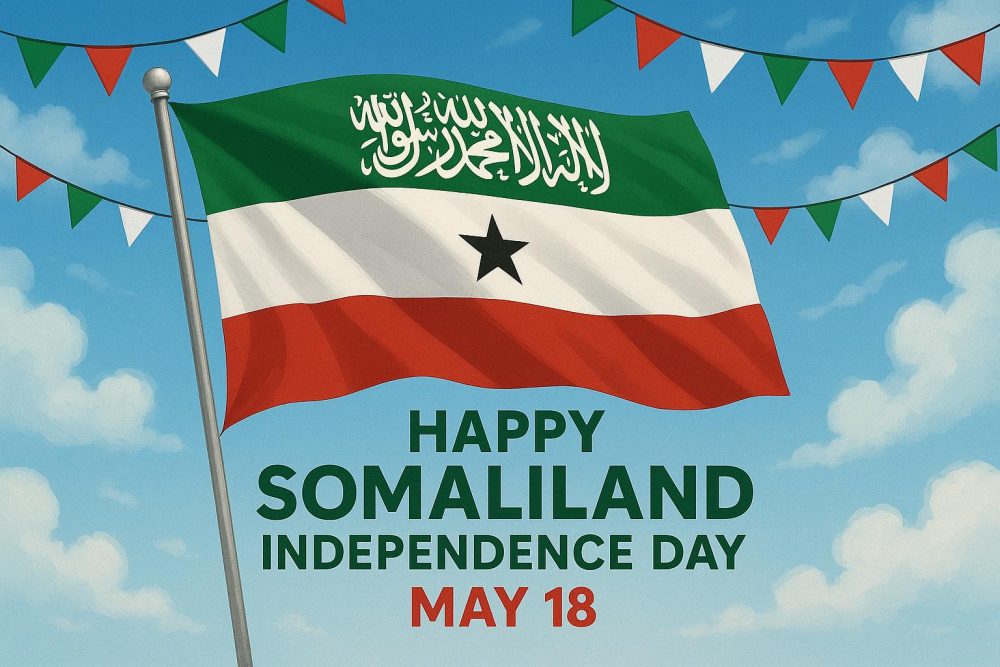
Beyond diplomatic calculations, the celebration of May 18, 2026, above all highlighted an African reality: the borders inherited from colonization continue to generate complex disputes that simplistic slogans fail to explain.
Somaliland remains a geopolitical paradox-a State that functions without recognition, a people that exists without a true place in international institutions, a nation that claims not a rupture born from separatist ambition, but the restoration of a sovereignty that existed before a political union which, over time, became a source of frustration and tragedy.
In Hargeisa this Monday, the fireworks did not merely illuminate a national celebration. They also illuminated the stubborn hope of a people refusing to disappear from the maps of history.
By Moshe Gandoura TESSEMA
 Mohamed OUEDRAOGO


Abonnez-vous pour ne rien rater de l'actualité
© Infos24 Développé par NUMERIX-TECH